


Unithmed Patient Stories
She Struggled with Adenomyosis Belly for Years Before Finally Finding Answers Through Non-Invasive HIFU Treatment

Case reading time: 2~45 minutes
This is a real case of adenomyosis belly from a doctor in Canada.
Patient Overview

- Name: Dr. Vanda Corbett
- Profession: Doctor of Chiropractic
- Condition: Adenomyosis
- Main Symptoms: Severe pelvic pain, heavy menstrual bleeding, persistent abdominal distension
- Key Feature: Long-term chronic pain with progressive worsening over decades
Clinical Background
For most of her life, the patient believed her menstrual pain and discomfort were a normal part of being a woman. Symptoms began at menarche and gradually progressed from cyclical pain to persistent and debilitating discomfort.
Over time, she developed increasingly severe symptoms, including chronic pelvic pain, heavy bleeding, and persistent abdominal distension consistent with what many patients describe as “adenomyosis belly.”
Symptom Progression
- Severe menstrual pain since adolescence
- Heavy menstrual bleeding
- Progressive worsening of pelvic pain
- Pain intensity reaching 9–10/10 during severe episodes
- Bedridden periods lasting multiple days per month
- Persistent baseline pain outside menstrual cycles
Diagnosis
The patient was later diagnosed with adenomyosis following imaging evaluation. Adenomyosis is a uterine condition characterized by the presence of endometrial-like tissue within the uterine muscle wall, leading to inflammation, uterine enlargement, and chronic pain.
The diagnosis was initially perceived as understated by the patient, contributing to delayed recognition of disease severity.
Initial Treatment Options
After disease progression was confirmed, treatment options presented included:
- Pharmacological pain management (including opioid-based medication)
- Surgical intervention (hysterectomy)
The patient sought multiple medical opinions but received consistent recommendations, prompting her to explore alternative approaches.
Discovery of Focused Ultrasound (HIFU)
The patient was introduced to focused ultrasound therapy through a medical podcast discussing non-invasive treatment options for uterine conditions.
After further research, she identified High-intensity focused ultrasound (HIFU)-(EXPLORE) as a potential non-surgical treatment for adenomyosis and began evaluating international treatment centers.
Treatment Journey
The patient traveled internationally for treatment after coordinating medical records, imaging, and consultation.
- Pre-treatment imaging and evaluation
- Sedated but awake HIFU procedure
- Approximately 3-hour treatment duration
- Real-time imaging guidance throughout the procedure
- No surgical incision required
The patient reported minimal discomfort during treatment and continuous support from the clinical team.
Immediate Outcome
“I woke up and had no pain. I felt like a completely different person.”
Following treatment, the patient experienced immediate absence of pain and significant emotional relief.
Follow-up Results
- 80–90% reduction in overall symptoms
- Significant reduction in menstrual pain intensity
- Decreased menstrual bleeding
- Reduction of abdominal bloating symptoms
- Improved quality of life and daily function
Patient Reflection
The patient highlighted that the most significant change was not only symptom relief, but also gaining clarity about her condition and available treatment options.
She has since become an advocate for awareness of adenomyosis and non-invasive treatment alternatives, sharing her experience through public platforms.
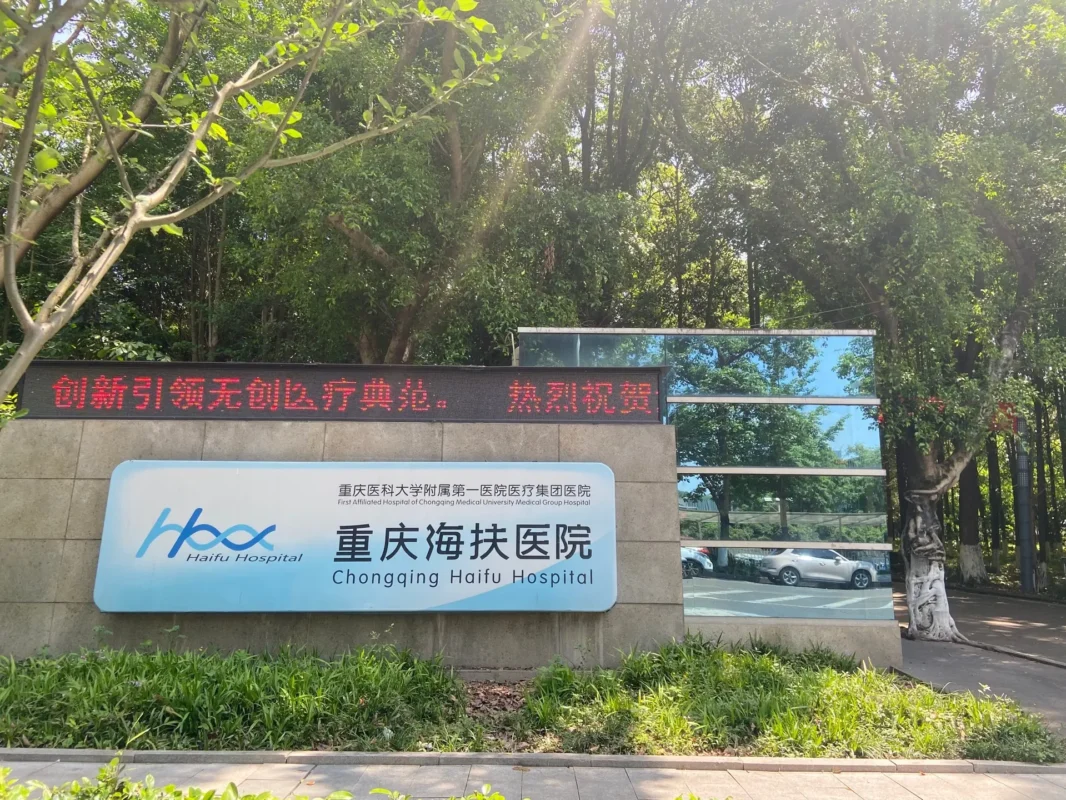
Chongqing China
HaiFu Hospital
Chongqing Haifu Hospital is a specialized medical institution focusing on the clinical application of High-Intensity Focused Ultrasound (HIFU)....
Latest review
Very efficient!
Came from Russia for HIFU treatment. Doctors are nice, recovery fast. Good hospital.

FAQS
Is HIFU a surgery?
No. HIFU is a non-surgical procedure. It does not require incisions and is performed under imaging guidance, often with sedation.
How effective is HIFU for symptom relief?
Clinical outcomes vary, but some patients report significant reduction in pain and menstrual symptoms after treatment, with improvement in quality of life.
Who may consider HIFU treatment?
Patients who wish to explore non-invasive options, or those seeking uterus-preserving treatment alternatives, may consider evaluation for HIFU suitability.
What is adenomyosis belly?
Adenomyosis belly refers to visible abdominal bloating and distension that can occur in some patients with adenomyosis. It is often related to uterine enlargement and chronic inflammation.
Can adenomyosis cause chronic daily pain?
Yes. In moderate to severe cases, adenomyosis may cause persistent pelvic pain, painful menstruation, and discomfort that can extend beyond the menstrual cycle.

 Treatments
 Non-invasive
 Pain Management
 Health Check
 Traditional Chinese Medicine
 Dentistry
 Ophthalmology
 Book Free Consultation