


China Medical Travel Guide
Chongqing Medical Travel Guide 2026 – Costs, Hospitals & Travel Tips for International Patients
This article is part of our Global Medical Travel to China hub, which provides structured guidance for patients from 50+ countries worldwide.
👉 Go to full hub: Medical Travel to China
| Quick Access to Chongqing Hospitals | |||
| Haifu Hospital | Raffles Hospital | Yuzhong Campus | HYGEIA Hospital |
| Chongqing General Hospital | Liang Jiang Campus | Chongqing TCM Hospital | Chongqing Aier Eye Hospital |
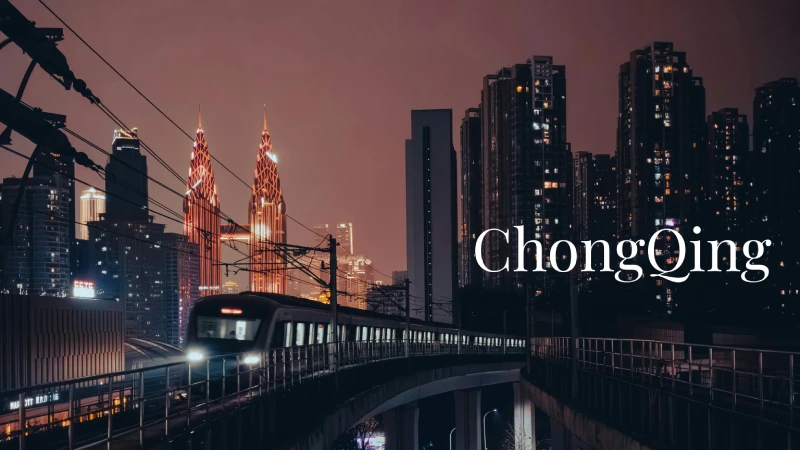
《Chongqing Medical Travel Guide》2026
Table of Contents
- Where Chongqing is and why it’s becoming more popular internationally
- Why international patients are choosing Chongqing for medical travel
- The most in-demand medical treatments in Chongqing for 2026
- What international patients should know before coming to China for treatment
- Why Chongqing is actually ideal for long-term medical recovery and wellness travel
- The most common questions about medical travel in China
Chongqing is slowly becoming a new gateway for international patients to rediscover medical travel in China.
For many years, medical tourism in Asia was dominated by a few familiar names: Bangkok, Seoul, Singapore, and Tokyo.
But over the past two years, more and more international patients have started turning their attention toward Southwest China.
Although Chongqing may not yet have the same global reputation as Beijing, Shanghai, Guangzhou, or Shenzhen when it comes to highly complex medical cases, it has become an extremely attractive option for regular medical treatments combined with travel experiences — especially in areas like ophthalmology, orthopedics, gynecology, dental care, wellness recovery, and preventive health screening.
Today, Chongqing is home to large Class A public hospital systems, university-affiliated medical centers, premium dental clinics, HIFU non-invasive gynecology treatment centers, and a rapidly growing international healthcare service industry.
Unlike some heavily commercialized medical tourism cities, Chongqing still feels surprisingly local.
And honestly, that authenticity is exactly what many international patients are starting to appreciate.
We’ve also been documenting international visitors traveling to Chongqing for advanced health screenings, non-invasive surgeries, and recovery programs through videos on TikTok.
Whether this is your first time learning about China’s healthcare system, or you’re looking for a more affordable and recovery-friendly medical destination in Asia, this guide will help you understand Chongqing from a much more practical perspective.
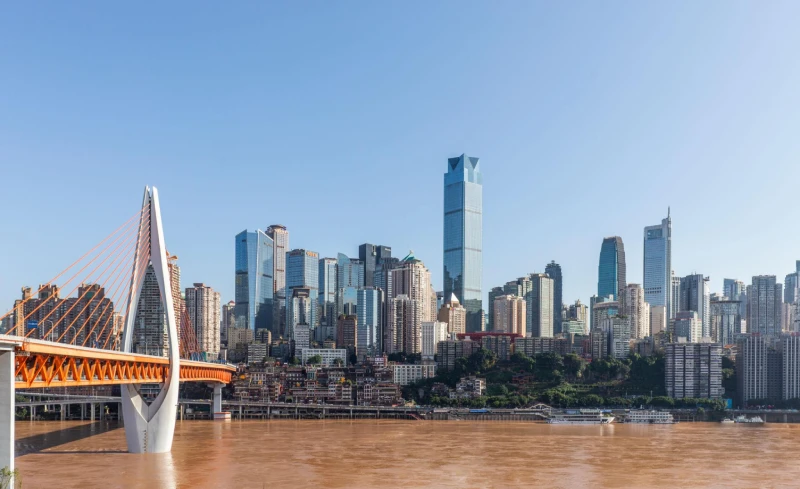
1.Where Is Chongqing? Why Is Everyone Suddenly Talking About It?
Chongqing is located in Southwest China, along the upper reaches of the Yangtze River.
It’s one of China’s four direct-controlled municipalities and home to more than 30 million people.
The city itself is divided into nine major urban districts plus surrounding suburban and rural areas.
Most of the famous places you’ve probably seen on TikTok — Hongyadong, Jiefangbei, Liziba Train Station, Kuixinglou — are concentrated in Yuzhong District, one of the city’s central urban areas.
From there, you can usually reach the airport or high-speed railway station within an hour.
For many international visitors, arriving in Chongqing for the first time feels visually overwhelming in the best possible way.
Skyscrapers climb up steep mountainsides. Bridges stretch across deep river valleys. Trains pass directly through residential buildings. And at night, the entire city looks like something straight out of a futuristic sci-fi movie.
That’s why Chongqing is often called:

“The Cyberpunk City of China.”
Outside the urban center, Chongqing also offers a completely different side of China — history, nature, and traditional culture.
Places like:
- Diaoyu City in Hechuan
- The Dazu Rock Carvings
- The Three Natural Bridges in Wulong

have become increasingly popular among international travelers looking for something beyond typical tourist destinations.
But what many people still don’t realize is that Chongqing is also one of the most medically concentrated regions in China.
The city has:
- Large public Class A hospitals
- International medical centers
- University-affiliated hospitals
- Premium health screening institutions
- Specialized gynecology hospitals
- Advanced dental centers
- Traditional Chinese medicine rehabilitation clinics
As China’s healthcare system continues expanding beyond Beijing and Shanghai into regional medical hubs, Chongqing is becoming an increasingly attractive option for international patients.
Overall, it offers a very rare balance between medical quality and overall living cost.
2. Why Are International Patients Choosing Chongqing for Medical Travel?
Lower Overall Medical Costs
This is probably the most obvious reason.
Compared to Europe or the United States, many medical treatments in Chongqing cost significantly less.
But the real reason goes deeper than price alone.
First: Massive Clinical Experience
Chongqing has a population of more than 30 million people, and the population density creates an enormous amount of real clinical experience for doctors and hospitals.
General physicians often see 100–150 patients per day.
Specialists may handle 50–100 patients daily.
At the same time, hospitals continuously upgrade their medical imaging and diagnostic systems using internationally recognized equipment brands, improving both efficiency and diagnostic accuracy.
That level of daily case volume gives many doctors extremely strong hands-on experience.
Second: Speed and Efficiency
China’s healthcare system focuses heavily on accessibility and operational efficiency.
Hospitals try very hard to avoid bottlenecks in the treatment process.
In many cases, diagnosis, testing, imaging, and analysis are integrated together as part of a fast workflow.
For international patients — especially visitors from the US or Europe — the speed can honestly feel shocking.
In many regular medical cases, major diagnostic steps can often be completed within a single day.
Within that timeframe, patients can usually get answers like:
- What is actually causing the discomfort or health issue?
Sometimes the real problem isn’t where the pain appears. For example, tooth pain may actually be connected to cardiovascular issues or nerve-related conditions. - What treatment plan is needed?
Doctors will usually explain the recommended treatment path quickly and directly. - How much will the treatment cost, and what does the process look like?
For standard medical cases, patients can often receive an estimated treatment timeline and cost structure very early in the process.
Of course, more complex or long-term conditions still require extended observation and additional testing.
2.1 Chongqing Has a Mature Large-Scale Medical System
Many international patients still assume that China’s best medical resources are only concentrated in cities like Beijing, Shanghai, or Guangzhou, which have stronger international visibility.
But in reality, China’s large-scale medical system has already expanded far beyond those first-tier cities.
And Chongqing is now one of the largest medical centers in Southwest China.
The city is home to:
- Large tertiary public hospitals
- Specialized medical centers
- University-affiliated medical systems
- Advanced digital healthcare infrastructure
- High-density diagnostic imaging resources
For example, in gynecology, Chongqing is home to some of China’s leading specialist hospitals.
Haifu Hospital has become internationally known for its non-invasive treatment technologies that combine ultrasound and radiofrequency ablation.
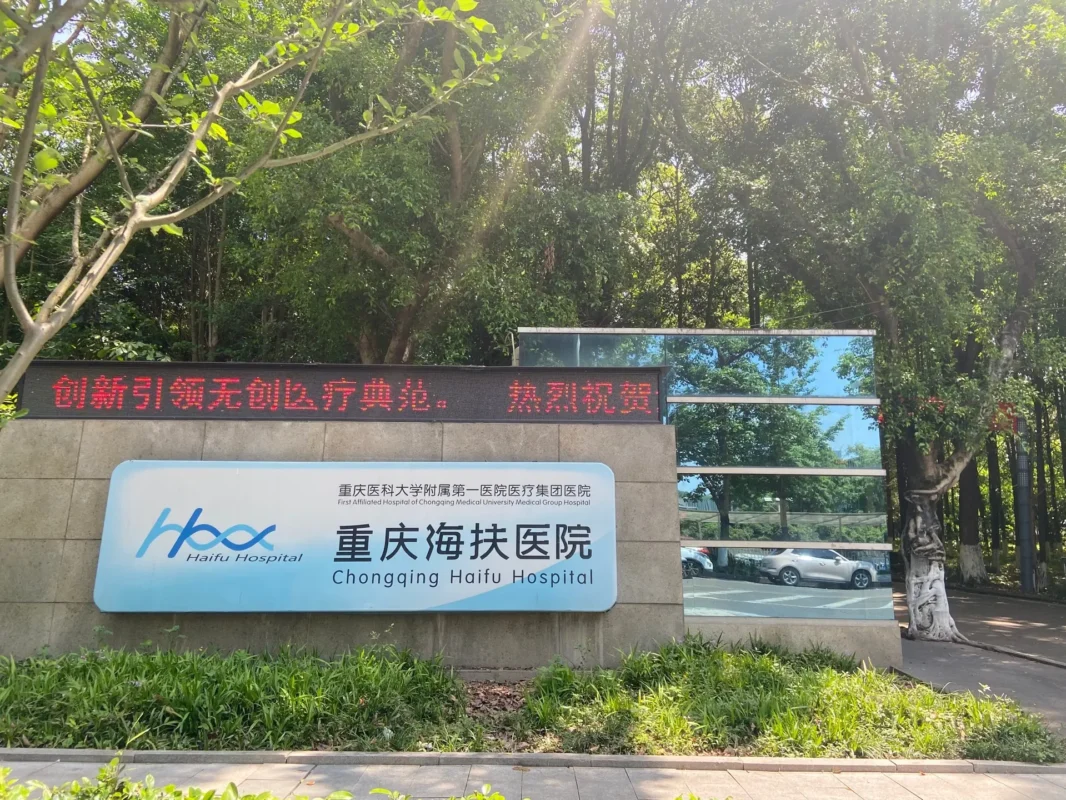
Chongqing China
HaiFu Hospital
Chongqing Haifu Hospital is a specialized medical institution focusing on the clinical application of High-Intensity Focused Ultrasound (HIFU)....
Latest review
Very efficient!
Came from Russia for HIFU treatment. Doctors are nice, recovery fast. Good hospital.

These technologies are widely used in conditions such as:
- Uterine fibroids
- Adenomyosis
- Endometriosis lesions
- Certain breast diseases
In some uterine fibroid cases, this treatment can help patients avoid hysterectomy entirely, which is one of the reasons why international patients have started paying attention to Chongqing’s gynecological medical sector.
Beyond gynecology, many medical procedures in Chongqing can also be completed within a very short timeframe.
Especially in areas such as:
- CT scans
- MRI imaging
- Full health screening
- Specialist diagnostic examinations
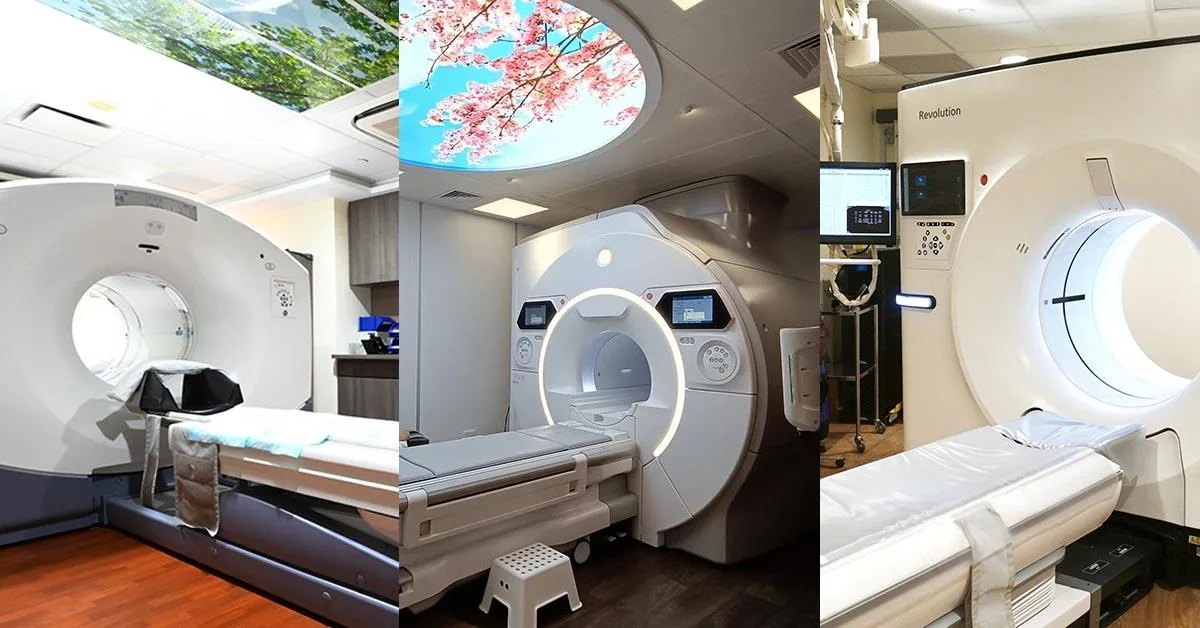
This level of efficiency is often surprising for many international patients visiting China for the first time.
2.2 Chongqing Feels More “Real” Than Traditional Medical Tourism Cities
This is actually one of the biggest impressions many international patients have after arriving in Chongqing.
Unlike some medical tourism cities in Asia, where almost the entire urban experience is built around tourists, Chongqing is first and foremost a mega city built for local residents.
Most patients inside the hospitals are still local Chinese people.
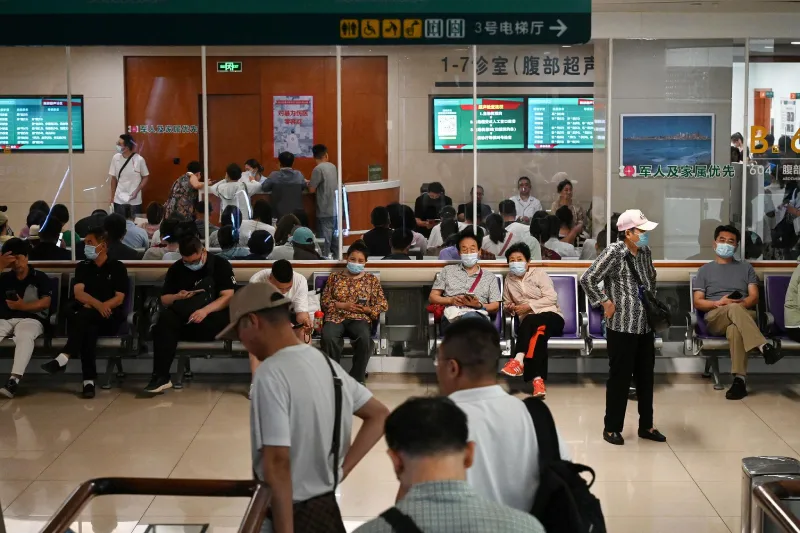
You will see:
- Families accompanying elderly parents for health checkups
- Young people getting orthodontic treatment
- Local residents lining up for appointments
- Doctors moving quickly through busy outpatient consultations
And strangely enough, this sense of realism makes many international patients feel more relaxed.
Because Chongqing does not feel like a “medical tourism resort.”
It feels like a real, fully functioning Chinese healthcare system.
At the same time, Chongqing has also started developing a number of hospitals specifically designed to better accommodate international patients.
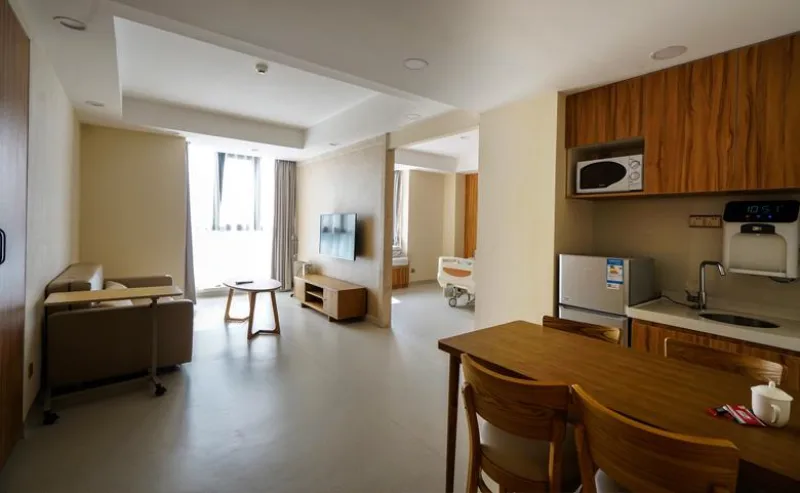
Currently, five major hospitals are considered more international-patient friendly in terms of service process, environment, and support systems:
- The First Affiliated Hospital of Chongqing Medical University – Jinshan Campus
- The Second Affiliated Hospital of Chongqing Medical University – Yuzhong Main Campus
- First Affiliated Hospital of Chongqing Medical University – Chongqing People’s Hospital
- Children’s Hospital of Chongqing Medical University – Liangjiang Campus
In terms of international patient experience, workflow, facilities, and supporting services, these hospitals are generally easier for overseas visitors to navigate.
However, that does not necessarily mean they represent the absolute highest level of medical expertise in China.
But compared to the medical standards available in many countries, we still believe the overall medical technology and clinical experience here remain highly competitive internationally.
3. Most Popular Medical Treatments in Chongqing for 2026
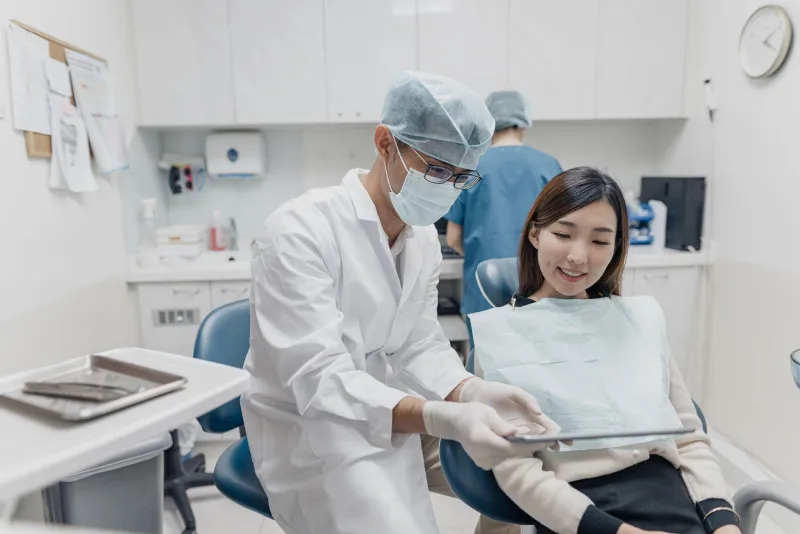
Dental Tourism
One thing we’ve noticed very clearly is that searches related to dental tourism in China have been increasing steadily.
And Chongqing is becoming one of the most underrated cities in this space.
For example, the Stomatological Hospital of Chongqing Medical University is considered one of the top dental institutions in Southwest China.
The hospital has:
- More than 546 treatment chairs
- Over one million annual patient visits
- PhD-level specialists
- International-standard dental technologies
Procedures like:
- Dental implants
- Orthodontics
- Zirconia crowns
- Veneers
often cost only around one-fourth to one-fifth of US or European pricing.
At the same time, many clinics now use:
- CBCT imaging
- 3D oral scanning
- Digital implant navigation systems
Some systems can generate a digital dental model in under 30 seconds.
Minimally invasive implants may take only 5–15 minutes per tooth in selected cases.
Popular treatments among international patients include:
- ALL-ON-4 / ALL-ON-6 implants
- Invisalign and metal braces
- Veneers and cosmetic restorations
- Periodontal treatment
- Comfort-focused deep cleaning services
At the same time, sterilization standards are generally strict, with single-use or individually sterilized e quipment protocols widely implemented.
Premium Health Screening & Preventive Care
More high-end health screening centers in Chongqing are now starting to actively serve international patients.
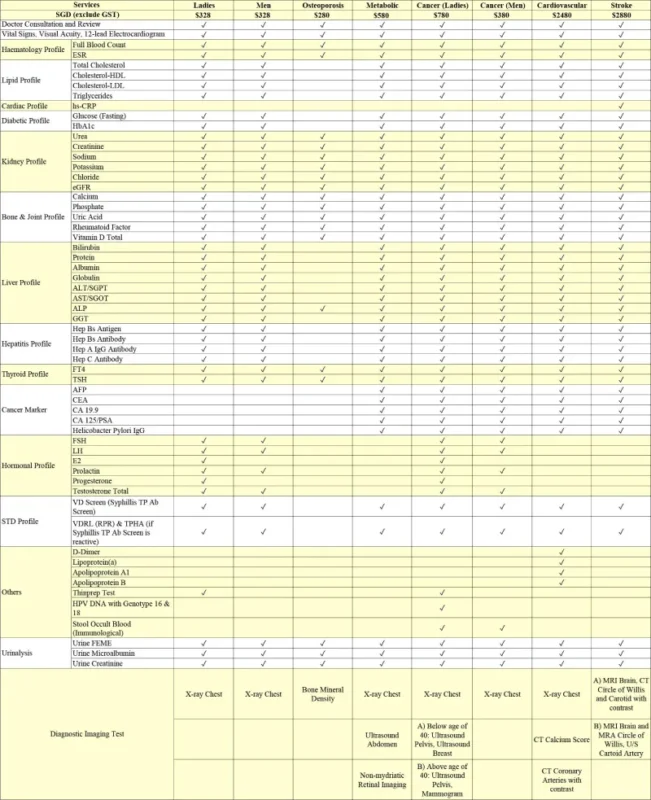
Compared to long waiting periods in some overseas public healthcare systems, Chongqing offers much faster access to medical screening programs.
Popular health screening services include:
- Full-body MRI
- Cancer screening
- Cardiovascular examinations
- Digestive system screening
- Genetic testing
- Long-term health management programs
Many of these examinations can be completed within a very short period of time.
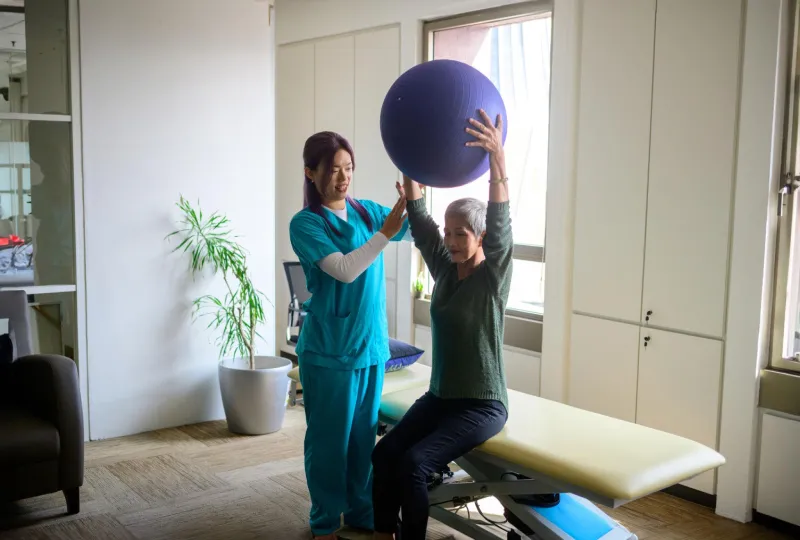
Traditional Chinese Medicine Recovery & Wellness Rehabilitation
Chongqing is also surprisingly suitable for recovery-focused medical travel.
Compared to fast-paced international cities, the long-term living cost here is much lower.
It’s especially suitable for:
- Post-surgery recovery
- Chronic pain management
- Sleep regulation
- Wellness recovery
- Traditional Chinese medicine rehabilitation
Many international patients initially come just to try acupuncture or massage therapy.
But over time, they often become interested in a much broader Chinese recovery system, including:
- Dietary therapy
- Rehabilitation treatment
- Long-term sleep management
- Traditional wellness recovery programs
This combination of medical treatment plus long-term recovery is slowly becoming a new direction in Asian medical tourism.
4. What International Patients Should Know Before Coming to Chongqing for Medical Treatment
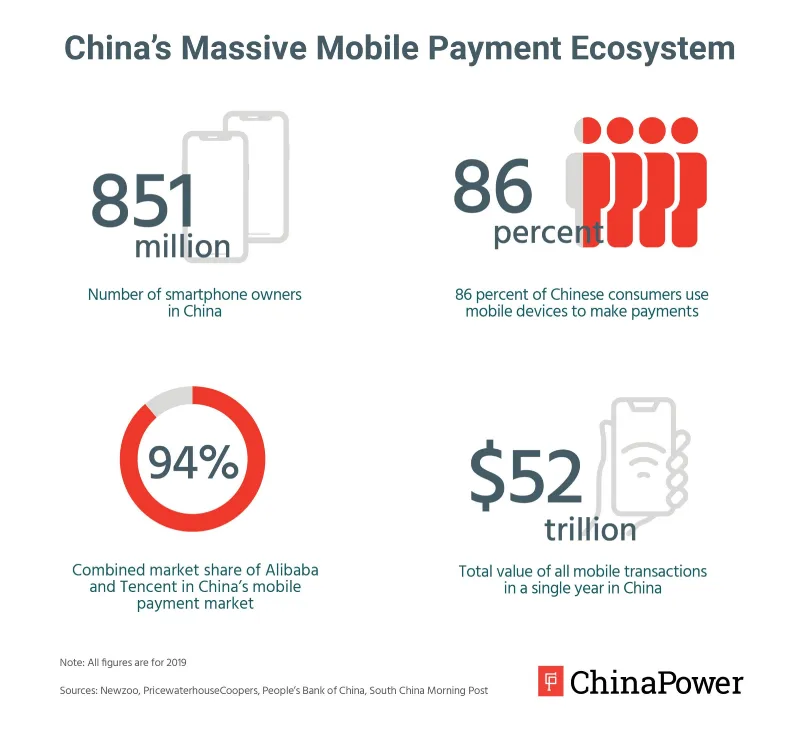
China’s Healthcare System Is Highly Digitalized
One of the first things many international patients notice after arriving in China is how digital everyday life and medical services have become.
From hospital appointments to payment systems, most processes are now handled through mobile apps.
And for many first-time visitors to China, this can also be one of the biggest adjustment challenges.
Hospital Appointments & Registration
In most large public hospitals, both specialist appointments and general consultations must be booked online in advance, usually through mini-programs inside WeChat.
At Unithmed, we strongly do not recommend trying to register directly at the hospital counter on the same day.
Appointment availability is often very limited, especially for popular departments and senior specialists.
In many cases, appointments may need to be booked 1 weeks in advance.
Medical Records & Information Access
Most hospitals in China still do not provide extremely detailed online medical documentation to patients.
Part of this is related to medical privacy policies and internal hospital systems.
Because of this, we strongly recommend collecting as much of your medical documentation as possible offline during your visit, including:
- Printed reports
- Imaging results
- Blood test records
- Diagnostic summaries
Keeping these documents organized will help you build a more traceable long-term personal health record.
Payment Methods
In China, mobile payment has already become the dominant payment method in daily life.
This includes:
- Hospitals
- Pharmacies
- Convenience stores
- Restaurants
- Transportation services
The two main platforms are:
- WeChat Pay
- Alipay
Cash is still accepted in most places, but mobile payment is far more common.
Recommended Preparations Before Arriving in China
Before traveling to Chongqing for medical treatment, we strongly recommend preparing the following:
- Download and register WeChat and Alipay in advance, and connect an international credit card if possible
- Purchase a China-compatible eSIM or local SIM card to ensure stable internet access throughout your trip
- Install a translation app such as Google Translate or DeepL for easier communication in places where English support is limited
These small preparations can make your medical journey in China much smoother from the moment you arrive, and help you avoid delays caused by unfamiliar systems or communication barriers.
It is also worth noting that PayPal has recently become more integrated with China’s digital payment ecosystem, which means international visitors can now use PayPal more conveniently for certain payment scenarios inside China.
English Support Is Not Consistent
Unlike internationalized cities such as Singapore and Hong Kong, Chongqing and most inland Chinese cities such as Chengdu and Xi’an currently do not have a fully established English service environment, and this is an important reality that international patients need to understand in advance.
- Hospital English capabilities vary greatly:
Only a small number of large tertiary hospitals have dedicated International Medical Departments equipped with English-speaking doctors, nurses, and patient guidance teams; while in the regular outpatient departments of large public hospitals, the English communication abilities of doctors, nurses, and registration staff vary significantly. Some departments can barely provide English services and may only communicate through simple words and gestures. - Communication barriers outside medical settings:
English signage and services are also not widely available in hotels, restaurants, shopping malls, and other public places. Especially in local restaurants and neighborhood convenience stores, there are often no English menus or English-speaking staff, and language barriers can create difficulties for daily travel and living.
Because of this, the vast majority of international patients arrange professional support services in advance:
- Professional medical translators:
Bilingual translators familiar with medical terminology help ensure accurate communication during doctor consultations, examinations, and treatment plan explanations, avoiding misunderstandings that could affect treatment outcomes. - International patient coordination services:
Assistance throughout the entire process, from appointment booking and department coordination to examination follow-up and payment settlement, helping you quickly adapt to the workflow of Chinese hospitals. - Medical accompaniment services:
Full in-person assistance during hospital visits, helping with queueing, registration, payments, medication pickup, and other on-site procedures, solving both language and process-related barriers. - Remote pre-consultation services:
Before coming to China, patients can first communicate with doctors remotely to discuss their condition, confirm treatment plans, and understand the appointment process in advance, avoiding delays caused by unfamiliar procedures after arrival.
5. Why Is Chongqing Suitable for Medical Travel?
When many people plan a medical trip for the first time, they only focus on hospitals and prices. But the things that truly determine the overall experience and whether you can recover comfortably are often: recovery environment, food, sleep quality, long-term stay costs, caregiver convenience, accommodation comfort, and post-treatment quality of life.
In all of these aspects, Chongqing offers a very rare balance of high cost-performance + long-term stay friendliness + integration between medical care and travel. We will explain this from 6 aspects, and include a data comparison example at the end of this section.
1. Affordable Costs — Much Lower Than Tokyo, Singapore, Europe, and the US, Making Long-Term Stays More Cost-Effective
- Compared with Singapore and Tokyo: hotels, dining, and transportation are generally 40%–60% cheaper.
- Compared with Europe and the US: similar treatments are usually only 1/4–1/5 of Western prices.
- For a 10-day to 1-month recovery + travel stay, the overall cost difference becomes very obvious: Europe / Singapore may cost around $8,000–$15,000, while Chongqing is usually around $3,500–$8,000 (including accommodation, meals, transportation, and caregiver support).
2. Not a “Tourist-Only City” — Better for Recovery and Real Daily Living
Chongqing is not as overly commercialized, crowded, and tourist-focused as places like Bali or Phuket, and it is also not as fast-paced and expensive as China’s first-tier cities.
- The city has relatively quiet living environments, good greenery, and decent air quality, with surrounding mountains, hot springs, and forest areas that are very beneficial for post-surgery recovery.
- Local people are generally friendly, and the city has a strong sense of real daily life, making it suitable for slow recovery, walking, light activities, and Traditional Chinese Medicine rehabilitation.
- The nightlife is not excessively noisy, and good sleep quality is extremely important for recovery after treatment.
3. Many Accommodation Options, Excellent Long-Term Stay Value, and Convenient for Caregivers
- There are many accommodation choices, ranging from international hotels, apartment hotels, serviced apartments, hospital-affiliated recovery rooms, to monthly rental apartments.
- Single rooms / VIP hospital rooms near hospitals usually have transparent pricing: standard single rooms are around $50–$80 per day, with caregiver support allowed and facilities including 24-hour hot water, WiFi, refrigerators, and microwaves.
- Monthly apartment rentals (1-bedroom apartments) are around $350–$700 per month, suitable for 2–4 weeks of recovery plus long-term family accompaniment.
4. Rich, Mild, and Customizable Food — Suitable for Post-Surgery Recovery and Body Conditioning
- Chongqing cuisine is mainly based on Sichuan-style food, but dishes can be made spicy or non-spicy, and hospitals or restaurants can provide light, high-protein, and easy-to-digest meals for recovery periods.
- Local ingredients are fresh, with many soup, steamed, and slow-cooked dish options that are very suitable for recovery.
- Hotpot, Chongqing noodles, and local specialty foods can still be enjoyed later during recovery as light food experiences without heavily affecting rehabilitation.
- Traditional Chinese Medicine dietary therapy resources are also very rich, including herbal medicine, medicinal soups, and wellness teas, suitable for post-surgery conditioning, energy recovery, and long-term rehabilitation.
5. Convenient Transportation, Layered City Structure but Not Difficult to Navigate, Friendly for Post-Treatment Activities
- Metro systems, ride-hailing services (such as DiDi), and taxis are widely available, with relatively low prices, fast response times, English support in some apps, and convenient payment systems.
- Major hospitals are concentrated in areas such as Yuzhong District, Jiangbei District, and Jiulongpo District, and cross-district travel is usually within 30 minutes.
- Nearby sightseeing destinations such as Hongyadong, the Yangtze River Cableway, Nanshan, Wulong, and local hot spring areas are all within 1–2 hours, making them suitable for light sightseeing, relaxation, and emotional recovery after treatment.
Next, through a simple data comparison example, you can more clearly see the advantages Chongqing offers.
10-Day Medical Travel Cost Breakdown
Non-invasive Uterine Fibroid Treatment in Chongqing Hospital (2026 Reference Pricing)
| Item | CNY | USD |
|---|---|---|
| 1. Medical Fees | ||
| Pre-operative Examination | 3,800 | 530 |
| Treatment Procedure | 21,500 | 3,000 |
| 3 Days Post-operative Hospitalization | 864 | 120 |
| Medication & Follow-up Examination | 600 | 85 |
| Medical Subtotal | 26,764 | 3,735 |
| 2. Accommodation (10 Days) | ||
| 5 Days Hospital Single Room | 1,800 | 250 |
| 5 Days Serviced Apartment | 2,200 | 310 |
| Accommodation Subtotal | 4,000 | 560 |
| 3. Food (10 Days / 2 People) | ||
| Meals | 2,800 | 395 |
| 4. Transportation | ||
| Local Transportation + Day Trip | 1,200 | 170 |
| 5. Coordinator / Translation / Medical Assistance | ||
| Full Medical Coordination Service | 5,800 | 810 |
| 6. Miscellaneous Expenses | ||
| eSIM, WiFi, Daily Supplies | 800 | 110 |
| Total Cost (1 Patient + 1 Companion) | 41,364 | 5,780 |
| Region | Estimated Cost | Notes |
|---|---|---|
| USA / Europe Private Hospitals | $12,000–18,000 | No accommodation or recovery support included |
| Singapore | $8,000–12,000 | No companion or recovery services included |
| Chongqing (All Included) | $5,780 | Treatment + Accommodation + Meals + Transportation + Translation + Travel |
Save Approximately 55%–65% While Enjoying a Better Recovery Environment
This article is part of our Global Medical Travel to China hub, which provides structured guidance for patients from 50+ countries worldwide.
👉 Go to full hub: Medical Travel to China
6.Frequently Asked Questions (FAQ)
Can International Patients Receive Treatment in Chinese Hospitals?
Yes.
Most large hospitals in China accept international patients.
Some hospitals also have International Medical Departments or VIP outpatient services.
Is Chongqing Suitable for First-Time Visitors to China?
If you already have travel experience in Asia, it will be easier to adapt.
Chongqing is a very modern city, but it is also highly digitalized.
Preparing payment apps and translation tools in advance will be very important.
In addition, if you enjoy hiking and walking, Chongqing is an even better fit for you.
Is Chongqing Safe?
Overall, China is considered one of the safer countries in Asia.
As a large metropolitan city, Chongqing is generally very safe in terms of public transportation and nighttime activities.
However, basic travel safety habits are still recommended.
Are Medical Costs in Chongqing Really Lower?
Compared with other Chinese cities such as Shanghai, Guangzhou, and Beijing, Chongqing generally offers lower prices in areas such as:
Dental treatment 、Health checkups、Rehabilitation programs、Pain management、Orthopedics、Ophthalmology
Can International Insurance Be Used?
Some international medical institutions in China can assist with international insurance processing.
However, policies vary depending on the hospital.
It is strongly recommended to confirm insurance coverage in advance.

 Treatments
 Non-invasive
 Pain Management
 Health Check
 Traditional Chinese Medicine
 Dentistry
 Ophthalmology
 Book Free Consultation